Gaming & Entertainment

6 Best Handheld Gaming Consoles of 2026

The 6 best handheld gaming consoles of 2026, from Nintendo Switch 2 to Steam Deck OLED and ROG Xbox Ally X, compared and ranked.

By RankingDeals Updated: How we rank

As an Amazon Associate I earn from qualifying purchases. Advertising & Monetization Disclosure.

Quick answer

The best choice for most people is the Nintendo Switch 2 (9.2/10). The most widely recommended handheld in the guides we read, thanks to its bigger screen, solid performance and Nintendo exclusives.

Check price on Amazon

Also worth a look: Valve Steam Deck OLED (Best Handheld PC); ASUS ROG Xbox Ally X (Best Windows Handheld); Nintendo Switch OLED Model (Best Switch for Value).

Top picks at a glance

1

Nintendo Switch 2

Best Overall
9.2/10

Our take

The most widely recommended handheld in the guides we read, thanks to its bigger screen, solid performance and Nintendo exclusives.

Pros

  • Large, sharp screen that suits handheld play
  • Exclusive Nintendo games found nowhere else
  • Magnetic Joy-Con 2 with a mouse mode
  • Works handheld, on a tabletop or docked to a TV

Cons

  • LCD screen rather than OLED
  • Battery life is only average
  • No built-in grips, so long sessions are less comfortable

Full review

The Nintendo Switch 2 is the handheld we recommend to the widest range of buyers, and the guides we read back that up: TechRadar names it best overall and Pocket Tactics gives it 9/10. The reason is straightforward. It is the only way to play Nintendo's own games, it works in handheld mode, on a tabletop or docked to a TV, and it improves on the original in every area that matters. The screen is a 7.9-inch 1080p panel with a 120 Hz refresh rate, clearly larger and sharper than before, and the dock can output up to 4K to a compatible TV. The Joy-Con 2 controllers attach magnetically and can act as mice in supported games, and many original Switch games still run on it. Internal storage is 256 GB and can be expanded with microSD Express cards, which is worth planning for because game files are large. It does give up a few things. The panel is LCD rather than OLED, battery life is only average, and Tom's Guide points out that the lack of built-in grips makes it less comfortable than the Steam Deck OLED over a long session. Engadget adds that the list of must-play Switch 2 exclusives is still limited. For families, casual players and anyone who wants the easiest pick-up-and-play experience, none of that outweighs how polished the whole package feels. If you mostly play PC games, or want a library beyond Nintendo's, look at the Steam Deck OLED or the ROG Xbox Ally X further down this list.

2

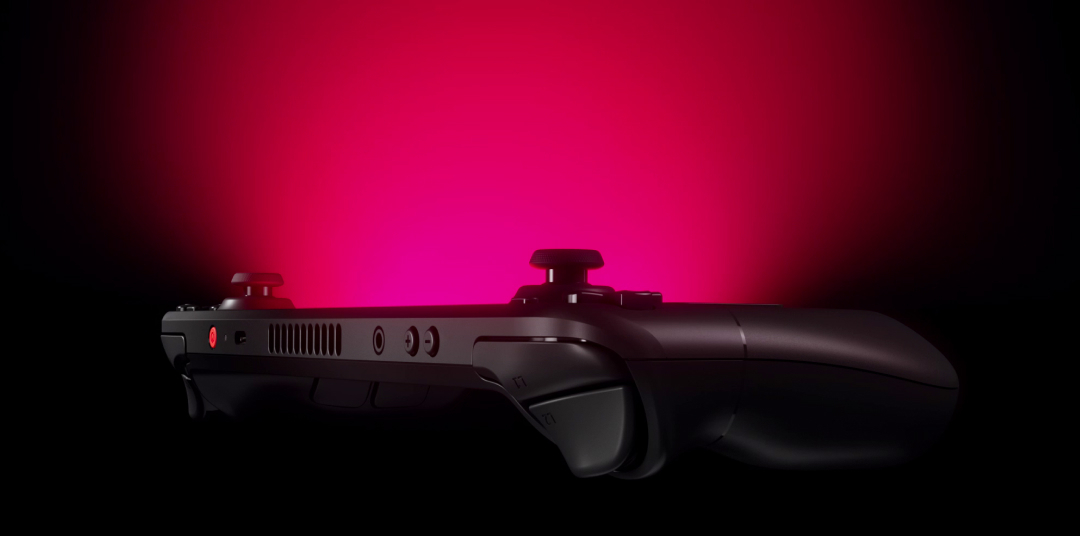
Valve Steam Deck OLED

Best Handheld PC
9.0/10

Our take

A comfortable, easy-to-use handheld PC with a superb OLED screen, held back only by ageing hardware and some compatibility gaps.

Pros

  • Vivid OLED screen with HDR
  • Controller-friendly interface that is easy to learn
  • Comfortable to hold for long sessions
  • Runs a very large catalogue of PC games

Cons

  • Not powerful enough for some recent demanding games
  • Some online games are blocked by anti-cheat
  • Bulky, with a d-pad that feels soft

Full review

The Steam Deck OLED is the handheld to buy if you want your PC games on the move without the complexity of Windows. Engadget calls it the best balance of price, performance and usability among handheld PCs, and TechRadar and Pocket Tactics both single it out for PC players. Its SteamOS interface is built for a controller, so you can browse your library, download a game and start playing without touching a mouse. The OLED panel is the star: a 7.4-inch HDR screen at 1280 x 800 with a 90 Hz refresh rate, vivid colours and deep blacks that make the Switch 2's LCD look flat in a direct comparison. A 50 Wh battery, 16 GB of memory and a choice of 512 GB or 1 TB of storage round out a well-judged package. Engadget also praises its strong emulation performance and comfortable shape. The compromises are real. The hardware is no longer the most powerful, so some recent demanding games run poorly or not at all. Engadget also notes that Linux and anti-cheat issues stop certain live-service games from working, that the d-pad feels mushy and that the device is bulky. Battery life is better than on the LCD version but still depends heavily on the game. In Tom's Guide's trip comparison against the Switch 2, the Steam Deck OLED was preferred overall for its form factor, library and battery life. It is the better choice for anyone who already owns PC games.

3

ASUS ROG Xbox Ally X

Best Windows Handheld
8.7/10

Our take

The most powerful and flexible handheld here, but it is heavy, expensive and still carries some Windows rough edges.

Pros

  • More performance than the Steam Deck OLED
  • Very large battery for a Windows handheld
  • Runs games from any PC storefront
  • Comfortable grips and a 120 Hz screen

Cons

  • Bulky and heavy
  • Windows still has rough edges on a small screen
  • Weak haptics and no case in the box

Full review

The ROG Xbox Ally X is the most powerful handheld in this ranking, and Engadget names it the best Windows gaming handheld. Pocket Tactics gives it the premium slot as well. It pairs a Ryzen AI Z2 Extreme processor with 24 GB of memory and a 1 TB drive, so it handles demanding games better than the Steam Deck OLED can. The 7-inch 1080p screen runs at 120 Hz with variable refresh rate, and the 80 Wh battery is unusually large for a Windows handheld. Engadget also praises the comfortable grips and the new full-screen Xbox interface, which hides much of Windows when you simply want to play. Because it runs full Windows 11, it can use games from any PC storefront, which matters if your library is spread across several launchers. The downsides are the usual ones for this class. Engadget calls it expensive, bulky and heavy, and says Windows quirks still surface, the haptics are weak and no case is included. TechRadar's summary of the Windows approach is similar: Windows 11 can still feel clunky on a small screen. We place it behind the Steam Deck OLED because that device is easier to live with day to day, but if you want the most performance and the widest software compatibility, and you accept a bigger, heavier machine, this is the one. It also suits people who already use Xbox services on PC.

4

Nintendo Switch OLED Model

Best Switch for Value
8.2/10

Our take

A vibrant OLED screen and a vast library make it a comfortable choice, though power and resolution are well behind the Switch 2.

Pros

  • Colourful OLED screen
  • Enormous game library
  • Handheld, tabletop and TV modes
  • Wired network port on the dock

Cons

  • 720p resolution and limited power
  • Closed system with little customisation

Full review

The Switch OLED model is the sensible choice if you want access to the huge Switch library and do not need the newest hardware. Pocket Tactics lists it as the best OLED option among Nintendo's older consoles, and it is easy to see why: the 7-inch OLED screen is vibrant and high in contrast, and reviewers comparing it with the Switch 2 note that the OLED panel still holds its own for colour. It works in handheld, tabletop and TV modes, so it keeps the flexibility that made the Switch popular. Storage is 64 GB, double the original model, and the dock adds a wired network port for steadier online play when connected to a TV. Because it is part of the original Switch family, the game catalogue is enormous and covers almost every genre, including many family-friendly titles. The trade-offs are performance and screen sharpness. It uses a modest Nvidia Tegra processor with 4 GB of memory, a 720p panel and a smaller 4,310 mAh battery, so it is clearly behind the Switch 2 in power and resolution, and Pocket Tactics notes its limited power and closed system. For someone who mainly wants to play Nintendo classics, share a console with children or buy a lower-cost entry into the Nintendo world, none of that is a deal-breaker. If you want a larger screen and smoother performance in newer games, step up to the Switch 2 at the top of this list.

5

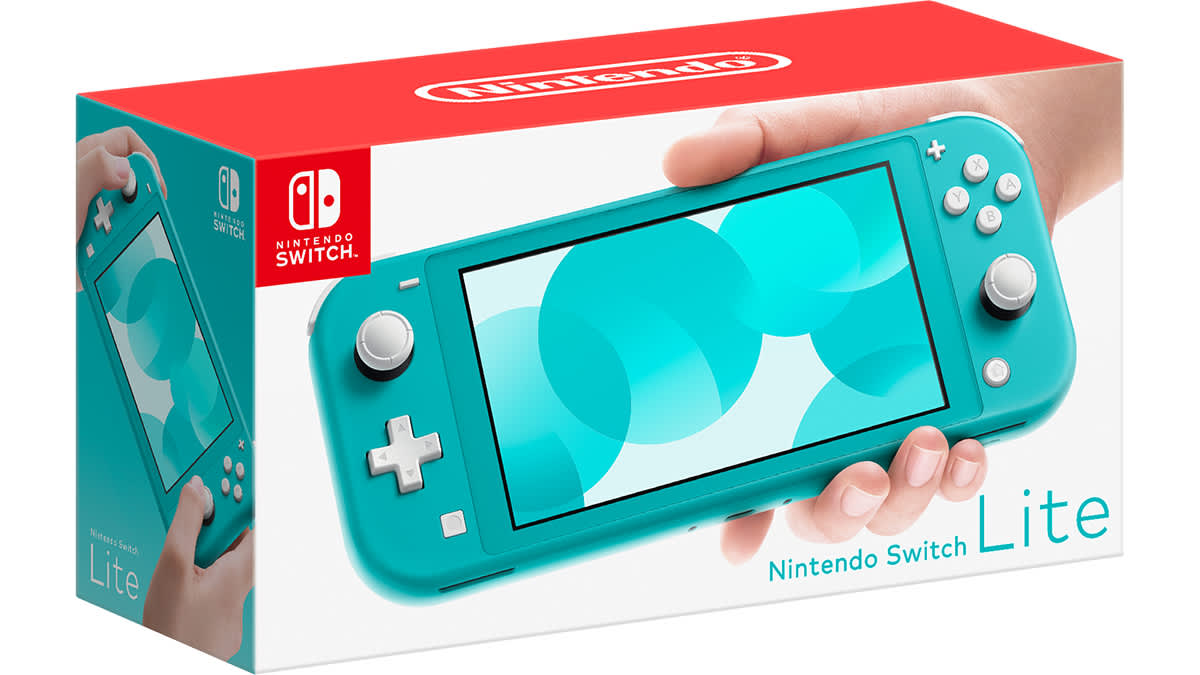
Nintendo Switch Lite

Best Budget Handheld
7.8/10

Our take

Compact, sturdy and easy to use, but small-screened and handheld-only, which limits where it fits.

Pros

  • Very portable and robust
  • Plays the large Switch library
  • Controls built in, nothing to attach

Cons

  • Small, less sharp screen
  • Cannot connect to a TV

Full review

The Switch Lite is the simplest and most portable way into the Nintendo library, and TechRadar and Pocket Tactics both name it their best budget option. It is a handheld-only console with the controls built in, so there is nothing to attach, nothing to lose and nothing to charge separately. It slips into a bag more easily than any other device in this ranking. The 5.5-inch 720p screen is small and less sharp than the others, and the 3,570 mAh battery is the smallest here, although listings suggest a range of roughly three to seven hours depending on the game. Because the controllers are fixed, it cannot output to a TV and does not work with the dock. It can play Switch games that support handheld mode, and extra Joy-Con can be connected wirelessly for the few titles that need detachable controllers. That makes it a great fit for children, for commuters and for anyone who already owns another console at home and wants a second, personal device. It is a poor fit if you want to play on a big screen with friends, or if you care about image quality. It sits fifth because the Switch OLED model offers a better display and more flexibility for a modest step up, but if you are on a tight budget or buying for a young player, it remains the easiest recommendation.

6

Sony PlayStation Portal

Best for PS5 Owners
7.4/10

Our take

Very good at streaming from a PS5, but it cannot work without one and depends on your Wi-Fi.

Pros

  • Comfortable DualSense-style controls
  • Good 8-inch screen for streaming
  • Lets you keep playing PS5 games in another room

Cons

  • Needs a PS5 and a reliable Wi-Fi connection
  • No Bluetooth audio, no standalone games
  • Cloud streaming needs a subscription

Full review

The PlayStation Portal is a different kind of device from the others in this ranking, and it only makes sense in a specific situation. It is a remote player: it streams games from a PlayStation 5 you already own, over your home Wi-Fi, onto an 8-inch screen with DualSense-style controls built in. TechRadar names it the best choice for remote play, and Engadget agrees the controls and screen work well for streaming. Its limits are clear, and reviewers are blunt about them. Performance depends entirely on your home network, there is no traditional emulation and no app store, and Engadget notes it does not work with Bluetooth earbuds. Cloud streaming exists, but it requires a PlayStation Plus Premium subscription, and Engadget points out that much of what the Portal does can also be done with a smartphone and a mobile controller. Engadget's overall verdict is that it is an odd accessory most people should skip, with PlayStation diehards as the exception. That is why it comes last. If you already own a PS5, share a television with the family and want to carry on playing from the bedroom or the garden, the Portal does that job well and is more comfortable than a phone clip. If you want a console you can take on a trip and play on its own, it is not the right product, and any of the five devices above is a better answer.

Frequently asked questions

Should I buy a handheld console or a handheld gaming PC?

Choose a console such as the Nintendo Switch 2 if you want games that work immediately, with no settings to adjust and exclusive titles you cannot play elsewhere. Choose a handheld PC like the Steam Deck OLED if you already have a large PC library or like tweaking performance. PCs offer more choice, but they ask more patience.

How long does a handheld console battery really last?

It depends heavily on the game. Demanding games drain any handheld in a couple of hours, while lighter games can last several times longer. Large-battery models like the ROG Xbox Ally X help, but they are heavier. If you travel often, carry a power bank that supports USB-C charging and check the console's charging requirements.

Do I need extra storage for a handheld?

Probably yes if you download many games. Modern titles can take tens of gigabytes each, and built-in storage fills quickly. Most handhelds accept memory cards, but the type differs: the Switch 2 needs microSD Express cards, which are not the same as ordinary microSD cards. Always check the card standard before buying.

Is the PlayStation Portal a standalone console?

No. It streams games from a PlayStation 5 over your home Wi-Fi, so it needs that console to be switched on or in rest mode, plus a solid connection. Reviewers also note it lacks Bluetooth audio support. It suits someone who wants to keep playing PS5 games in another room, not someone looking for a first console.

Buying guide

Handheld gaming has split into three clear camps, and choosing well starts with knowing which one you belong to. The first camp is the console-style handheld, led by Nintendo: simple, polished, built around exclusive games and easy enough to hand to a child or a relative. The second is the handheld gaming PC, where Valve's Steam Deck OLED and the ROG Xbox Ally X let you play a huge catalogue of PC games on the sofa, on a train or in bed. The third is the specialised device that does one thing well, such as streaming your PlayStation 5 to another room. We compared the main buying guides and reviews from Engadget, TechRadar, Pocket Tactics and Tom's Guide, then checked manufacturer pages for the specifications. The picture they paint is consistent. The Nintendo Switch 2 is the most widely recommended handheld, mainly because of its screen, its performance jump over the original and the games that only exist on Nintendo hardware. The Steam Deck OLED is the usual pick for people who want a PC library without paying for the most powerful hardware, and its OLED screen is a genuine highlight. The ROG Xbox Ally X is the strongest Windows handheld, with more raw power and a much larger battery than its rivals, although it is also the bulkiest. The older Nintendo Switch OLED and the Switch Lite remain sensible if you want access to the huge Switch library and do not need the newest hardware. The PlayStation Portal is the odd one out: it is a remote player, not a standalone console, so it only makes sense if you already own a PS5 and a reliable home network. Before buying, think about four things. First, which games you actually want to play, because that decides the platform more than any specification. Second, how you will use it: docked to a TV, in handheld mode only, or mostly away from home. Third, battery life and weight, which vary far more between these devices than screen size does. Fourth, storage, since modern games are large and most of these consoles accept memory cards. Use the ranking below as a starting point and read each guide to see what the device gives up.

Ranking methodology

Our score is a rating out of 10 that weighs what the reviews we consulted conclude about performance, build quality, ease of use and value for money. In this category, the game library and day-to-day comfort carried the most weight, followed by screen quality and battery life. Where a criterion does not apply, as with a remote player that has no processing power of its own, we look at how well the device does its single job. Scores are our own editorial judgement, not an average of other publications' ratings.

Sources consulted Based on Engadget, TechRadar, Pocket Tactics, and 2 more

The reviews and data this ranking draws on. We do not run our own lab tests: we compare the findings of these publications.

Tags

More rankings you may like