Gaming & Entertainment

5 Best Game Consoles of 2026

The best game consoles of 2026 compared: Nintendo Switch 2, PlayStation 5, PS5 Pro, Xbox Series S and Steam Deck OLED, with who each one suits.

By RankingDeals Updated: How we rank

As an Amazon Associate I earn from qualifying purchases. Advertising & Monetization Disclosure.

Quick answer

The best choice for most people is the Nintendo Switch 2 (9.4/10). Reviewers praise its versatility, build and library, with battery life as the main drawback.

Check price on Amazon

Also worth a look: Sony PlayStation 5 Slim Digital Edition (Best Home Console); Sony PlayStation 5 Pro (Best High-End); Microsoft Xbox Series S (Best Budget Xbox).

Top picks at a glance

1

Nintendo Switch 2

Best Overall
9.4/10

Our take

Reviewers praise its versatility, build and library, with battery life as the main drawback.

Pros

  • Plays on the TV and as a handheld
  • Excellent build and detachable controllers
  • Runs many games from the previous Switch

Cons

  • Battery life is modest in handheld mode
  • Needs pricier microSD Express cards for extra storage

Full review

The Nintendo Switch 2 tops our list because it is the console that fits the widest range of households. It works docked to a television and as a handheld, which means one machine can serve the living room, the bedroom and a long journey. TechRadar rates it the best overall console of 2026 and Tom's Guide gave it its console award, praising the premium build and the magnetic Joy-Con 2 controllers that attach and detach easily. The hardware is a clear step up from the original Switch. The 7.9-inch screen is 1080p and supports high refresh rates in compatible games, and Nintendo says the console can output up to 4K when connected to a television. Many games from the previous system also run on it, so a library built over the years is not wasted. The internal storage is 256 GB, expandable with microSD Express cards, a newer and more expensive card type than the ones used before, so check it before buying one. It is the obvious choice for families and for anyone who wants Nintendo's own games, which are not available anywhere else. It also suits people who play in short sessions and move between rooms. What do you give up? The screen is an LCD rather than OLED, and reviewers including GamesRadar and TechRadar point to battery life as the main weakness; Nintendo itself quotes roughly two to six and a half hours depending on the game. It is not the most powerful console on the list, so players chasing the best graphics will prefer a PlayStation 5 Pro. For everyone else, the flexibility and the library make it the safest buy.

2

Sony PlayStation 5 Slim Digital Edition

Best Home Console
9.2/10

Our take

The pick for a big-screen setup: strong library, fast hardware, but large and no disc drive.

Pros

  • Deep catalogue of exclusive games
  • Fast loading from the solid-state drive
  • Plays PS4 games

Cons

  • Larger than the competition
  • No disc drive without an extra purchase

Full review

The PlayStation 5 Slim in its digital version is the console we would point most people to when the goal is a powerful machine under the TV. Digital Trends names the PS5 its best overall console and says the standard model is better value than the Pro for most people, while Tom's Guide picks the Slim as its choice for most buyers. The reasons are a deep library of exclusive games, fast loading and the DualSense controller, whose adaptive triggers and haptics remain among the best inputs on any console. This model has a 1 TB solid-state drive and no disc drive, so every game is a download. That keeps the design slimmer and the price lower than the disc version, and a separate drive can be added later if you want to play physical copies. If you own many discs or like buying second-hand, consider that extra cost before deciding. The console also plays PS4 games, which helps if you are moving up from the previous generation. It suits players who want big single-player productions, a simple setup and a console that handles 4K televisions without fuss. It is also a good fit for households with one main screen. The compromises are size and price. Even in its Slim form it is large compared with a hybrid or an Xbox Series S, and Digital Trends notes that console prices rose noticeably during 2026. Without a drive, you also give up the resale value of discs. If those points do not worry you, this is the most complete living-room console.

3

Sony PlayStation 5 Pro

Best High-End
8.8/10

Our take

The most powerful console, praised for visuals but held back by price and game-by-game gains.

Pros

  • Best visual performance in the PS5 family
  • Large 2 TB drive
  • Smoother frame rates in updated games

Cons

  • Very expensive for what it adds
  • Gains depend on each game being updated

Full review

The PlayStation 5 Pro is the most powerful console you can buy, and both TechRadar and Tom's Guide describe it that way. Digital Trends calls it the best high-end option and credits it with the best visual performance of the PS5 family, thanks to improved ray tracing, PSSR upscaling and higher, steadier frame rates in games that support it. It also ships with a 2 TB solid-state drive, which is more than enough for a large library. It is meant for a particular buyer: someone with a high-end 4K television who notices differences in resolution and smoothness, and who wants the best version of every PlayStation game. In that setup the extra power is visible, especially in titles with demanding graphics modes. There are reasons to hesitate. The improvements vary from one game to another because they depend on each title being updated for the Pro, and many games look very similar to the standard model. Digital Trends also says that the regular PS5 is the better value for most people, which is why the Pro sits below it here. The disc drive is an optional accessory, so physical players must add it to the bill, and the price is the highest on this list among home consoles. If you already have a PS5, the upgrade is hard to justify unless you chase top performance. If you are buying your first PlayStation and your television can show the difference, the Pro is the version to have. Otherwise, the standard model gives you the same games and the same controller for much less.

4

Microsoft Xbox Series S

Best Budget Xbox
8.2/10

Our take

Compact and subscription-friendly, but limited storage and a price that has crept up.

Pros

  • Small and quiet
  • Supports up to 120 fps in compatible games
  • Cheapest route into current Xbox

Cons

  • 512 GB fills up quickly
  • Lower graphics targets than the Series X

Full review

The Xbox Series S is the cheapest way into the current Xbox world, and it remains attractive because of how small and quiet it is. Digital Trends names it the most affordable Xbox, praising its compact size, its integration with Game Pass and support for up to 120 frames per second in compatible games. It aims at 1080p and 1440p screens, which makes it a good match for a bedroom television or a monitor. The Game Pass catalogue is the real draw. For a monthly fee you get access to a large library, so the console fits people who like trying many games rather than buying a few at full cost. It also suits children and secondary rooms, where a big console would be overkill. The downsides are clear. There is no disc drive, so everything is a download, and the 512 GB base storage fills up quickly, so budget for an expansion card or an external drive. Its graphics targets are lower than those of the Series X, and it is not a console for 4K enthusiasts. Digital Trends also notes that the price has risen well above the launch figure, which weakens the argument that it is the obvious budget choice. We place it fourth because its appeal is narrower than that of the three machines above: it is excellent for subscription players and small setups, but it asks you to accept limited storage and resolution. If your friends play on Xbox or you already use Game Pass on a PC, it is a sensible, small and easy console to live with.

5

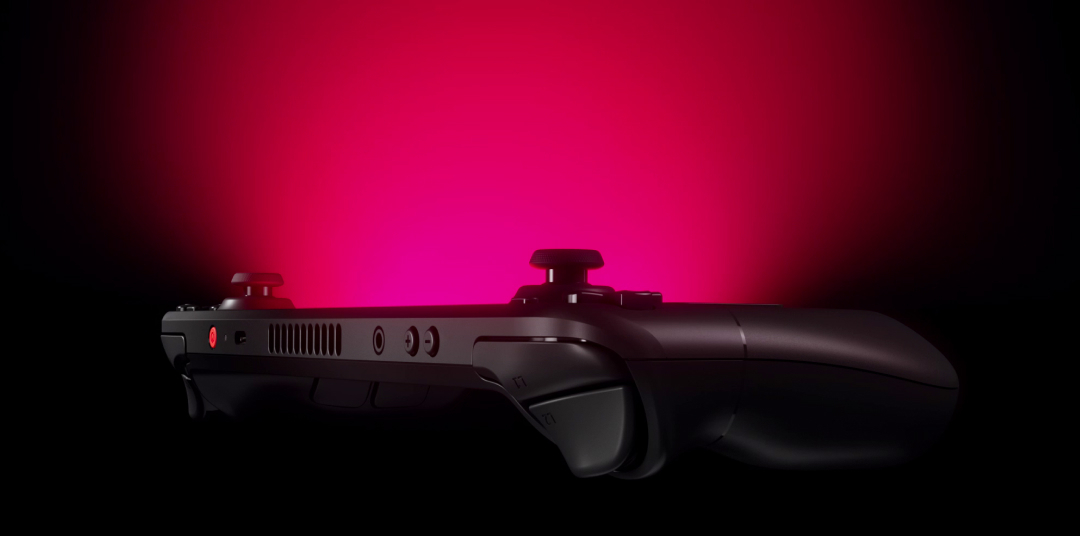
Valve Steam Deck OLED

Best Handheld PC
8.0/10

Our take

The best handheld PC for Steam players, praised for its screen but costly and sometimes fiddly.

Pros

  • Excellent OLED screen
  • Plays your existing Steam library
  • Console-style interface

Cons

  • Demanding new games can strain it
  • Some games need manual tweaking

Full review

The Steam Deck OLED is not a traditional console, but Digital Trends includes it as the best handheld gaming PC, and it deserves a place here for anyone who already buys games on Steam. It combines a bright OLED screen with a 90 Hz refresh rate, a console-style interface and better battery life and thermals than the original Steam Deck, according to Digital Trends. The result is the most comfortable way to take a PC library out of the house. Its biggest strength is flexibility. You can play thousands of games you may already own, change graphics settings, install other launchers and use the device as a small computer. It is a strong choice for people who value open systems over curated ones. That freedom comes with responsibilities. Demanding new releases can push the hardware, so you will sometimes lower settings to keep a stable frame rate. Compatibility with the Linux-based system is broad but not complete, and some games need tinkering. Digital Trends also warns that Valve has raised prices during 2026, which puts the Deck closer to the cost of a premium home console. We rank it last because it asks the most from the buyer: you need an existing Steam library, some patience with settings and a willingness to accept a screen that is smaller than a television. If those suit you, it is the best way to play PC games on the sofa or on a train. If you simply want something that works out of the box, the consoles above are easier to recommend.

Frequently asked questions

Which game console should I buy in 2026?

Start with the games you want to play. Nintendo exclusives and portable play point to the Switch 2, big single-player titles and a strong controller point to a PlayStation 5, and a subscription catalogue on a budget points to the Xbox Series S. Once the library is settled, compare storage, whether you need a disc drive and the screen you will use.

Is the PS5 Pro worth it over the standard PS5?

Only for some buyers. The Pro offers better ray tracing, PSSR upscaling and a larger drive, but improvements depend on each game being updated for it, and you need a good 4K television to see the difference. Reviewers such as Digital Trends say the regular PS5 is the better value for most people.

Do I need a disc drive on a console?

It depends on how you buy games. Physical copies can be resold, lent and often found second-hand, while all-digital machines rely on downloads that fill the drive quickly. Some consoles sell a drive separately, so you can add one later, but it increases the total cost of the setup.

What is the difference between a hybrid console and a handheld PC?

A hybrid such as the Switch 2 is a console designed for the TV and for handheld play, with a curated game library and simple setup. A handheld PC such as the Steam Deck runs games from your PC library with more settings to adjust, so it asks for a little more tinkering in exchange for far more flexibility.

How much storage does a console need?

Modern games can take tens of gigabytes each, so a base drive of 512 GB fills with a handful of titles. If you buy digitally, aim for at least 1 TB or plan to add an expansion card or external drive, checking which card type your console accepts before you buy one.

Buying guide

Choosing a game console in 2026 starts with a question that has little to do with teraflops: which games do you want to play, and where? The reviews we compared agree that the right machine is mostly decided by its library. Nintendo's exclusives, Sony's big single-player productions, Microsoft's subscription catalogue and Valve's open PC storefront each pull in a different direction, and no amount of hardware power makes up for missing the one game you bought the console for. Our five picks cover the main ways people play. A hybrid that works on the TV and in your hands leads the list, followed by two PlayStation 5 models for the living room, an affordable all-digital Xbox, and a handheld PC for people who already own a Steam library. Independent guides do not fully agree on who wins: TechRadar and Tom's Guide lean towards the Switch 2 as the best all-round console, while Tom's Guide and Digital Trends also point out that a regular PS5 is the sensible choice for a fixed TV setup. Several practical points are worth checking before you buy. First, storage: all-digital machines fill up quickly with modern downloads, and some consoles need a specific, more expensive card type for expansion. Second, the disc drive: none of our five picks includes one, and where a drive exists as an accessory it is sold separately, which matters if you own physical games or like buying second-hand. Third, your screen: the extra power of a premium console only shows on a good 4K television with a high refresh rate, while a hybrid or a handheld makes sense if you play in several rooms or while travelling. Finally, think about the online ecosystem. Friends tend to decide where you play, and subscriptions for online play, cloud saves and game catalogues add up over the years. Backward compatibility also differs: Sony and Microsoft let you carry over many games from earlier generations, Nintendo runs a wide range of its previous system's titles, and Valve's machine opens the whole Steam library. Prices of consoles have moved up in several markets during 2026, so compare current offers and bundles rather than relying on launch figures. We ranked the five consoles by weighing what reviewers conclude about performance, build, ease of use and value, then adjusting for how well each suits a buyer in Spain. Every product below has a listing in the Spanish market, and each description says who the console is for and what you give up by choosing it.

Ranking methodology

Our score out of 10 weighs what the reviews we compared conclude about performance, build quality, ease of use and value for money. For consoles, the size and quality of the game library and ease of use carried the most weight, because they decide how much you enjoy the machine day to day. Where a criterion does not apply in the same way, such as build quality on a handheld PC, we look instead at how the hardware copes with long sessions and how easy it is to upgrade.

Sources consulted Based on Digital Trends, TechRadar, Tom's Guide, and 2 more

The reviews and data this ranking draws on. We do not run our own lab tests: we compare the findings of these publications.

Tags

More rankings you may like