RankingDeals
Smart Home

6 Best Smart Speakers of 2026

The best smart speakers for 2026 compared: Sonos Era 100 and 300, Echo Dot, Echo Dot Max, Echo Studio and HomePod mini for homes in Spain.

By RankingDeals Updated: How we rank

As an Amazon Associate I earn from qualifying purchases. Advertising & Monetization Disclosure.

Quick answer

The best choice for most people is the Sonos Era 100 (9.3/10). The most balanced pick: real stereo sound, easy setup and Alexa when you want it.

Check price on Amazon

Also worth a look: Amazon Echo Dot Max (Best for Alexa Homes); Amazon Echo Dot (newest generation) (Best for Small Rooms); Sonos Era 300 (Best for Spatial Audio).

Top picks at a glance

1

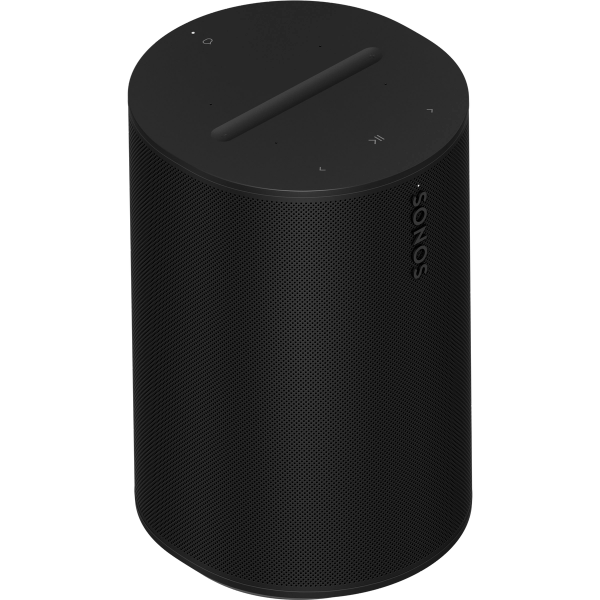
Sonos Era 100

Best Overall
9.3/10

Our take

The most balanced pick: real stereo sound, easy setup and Alexa when you want it.

Pros

  • Clearly better stereo sound than the compact Echo speakers
  • Easy to place on a shelf, desk or kitchen counter
  • Pairs with a second unit for a proper stereo pair
  • Works with a wide range of streaming services through the Sonos app

Cons

  • Costs noticeably more than the Echo Dot range
  • No built-in smart home hub, so it will not replace an Echo for home automation

Full review

The Sonos Era 100 is the smart speaker we would point most people to when music matters as much as voice control. What Hi-Fi names it its overall pick among smart speakers for the money, and RTINGS describes Sonos as the best-sounding option for most people. That fits what the hardware promises: two angled tweeters create real stereo separation from a single compact box, and a larger midrange driver gives the sound more body than any speaker at the Echo Dot size can manage. Day-to-day, it behaves like a Wi-Fi speaker first and a voice assistant second. You set it up and control it through the Sonos app, which brings many music services together in one place, and it also takes Bluetooth when you just want to play something from a phone. Alexa is available if you want to ask for songs, timers or the weather, and the speaker's Trueplay feature can tune its output to the room it sits in. A line-in adapter, sold separately, lets you connect a record player or another source. For a buyer in Spain, the appeal is simple: it is small enough for a bedroom, a kitchen or a desk, yet it sounds like a proper hi-fi product rather than a gadget. Two of them make a convincing stereo pair, which is a cheaper path to good sound than a large single speaker. The compromise is that it is a music speaker with Alexa on top, not a smart home controller. If you want to bring lights, sensors and plugs into one hub, an Echo with a built-in hub is the better fit, and you can always add the Era 100 later for the living room.

2

Amazon Echo Dot Max

Best for Alexa Homes
8.8/10

Our take

The Alexa speaker with a built-in hub for Zigbee, Matter and Thread.

Pros

  • Built-in hub for Zigbee, Matter and Thread devices
  • Fuller sound and more bass than earlier Echo Dots
  • Compact spherical design that suits most rooms
  • Stereo pairing and Fire TV integration for a small home cinema

Cons

  • Reviewers disagree on sound quality, and some call it disappointing
  • Some newer Alexa features arrive later in some countries

Full review

The Echo Dot Max is the Alexa speaker to choose when you want to run a connected home from one small device. TechRadar calls it Amazon's best Alexa speaker for most people, although its own review headline adds that it is the best mid-range speaker, but not by much. Its main strength is the built-in smart home hub that supports Zigbee, Matter and Thread, so many lights, sensors and plugs can connect without a separate bridge. Its sensing features can also trigger routines from temperature or presence. The sound is where opinions split. It uses a two-way design with a woofer and a tweeter, and Amazon says the bass is much stronger than on the 2022 Echo Dot. Several reviewers agree it is the best-sounding Echo Dot so far, yet Engadget finds the sound disappointing, and What Hi-Fi leaves it out of its smart speaker picks for the same reason. That is why it sits behind the Sonos for anyone who listens to a lot of music. In practice, it suits a bedroom, a kitchen or a home office where voice control, timers, music in the background and automations matter more than fidelity. You can pair two for wider sound, or link it with a compatible Fire TV device for a modest home cinema setup. Spanish buyers should keep in mind that some of the newest Alexa features have reached other countries later, so judge it on the Alexa that is available here today. Treat it as a hub with a decent speaker, and it will not disappoint.

3

Amazon Echo Dot (newest generation)

Best for Small Rooms
8.5/10

Our take

The easiest Alexa speaker to recommend for small rooms and first-time buyers.

Pros

  • Compact enough for a bedside table or small room
  • Gives access to the whole Alexa ecosystem
  • Xataka rates it the best value among smart speakers
  • Built-in hub for smart home devices

Cons

  • Bass is weak at low volume, as Xataka notes
  • Not the speaker to pick for serious music listening

Full review

The Echo Dot is the speaker most people should consider first if they simply want Alexa in the house. Xataka's 2026 guide makes it its overall pick, praising its outstanding value and saying it suits people who are starting out in home automation or want sound for small rooms. That recommendation is reasonable: it costs the least of the Echo family, fits almost anywhere, and gives access to the voice assistant with the widest device support. The drawbacks are the ones you would expect from a small speaker. Xataka points out that the bass is thin at low volumes and that recent revisions have dropped the 3.5 mm jack, so do not expect it to replace a proper music system. We rank it below the Era 100 and the Echo Dot Max for that reason: it is the easiest speaker to recommend, but not the one that does the most. The newest generation is listed with a smart home hub and compact design, but we found no review that publishes its full technical specifications, so some fields above say they are not stated. Where it shines is the second or third speaker in the home. Put one in the bedroom for alarms and the weather, one in the kitchen for timers and recipes, and one in the office for music while you work. Because Alexa is the assistant with the broadest range of compatible devices, it also makes a good first step into smart plugs and lights without a big outlay. If you later outgrow it, the Max or the Sonos speakers are natural upgrades for the rooms where sound matters most.

4

Sonos Era 300

Best for Spatial Audio
8.4/10

Our take

A larger Sonos speaker built around Dolby Atmos and room-filling sound.

Pros

  • Dolby Atmos spatial audio from a single speaker
  • Larger, richer sound than the Era 100
  • Can form a surround setup with a compatible Sonos soundbar
  • Voice handling that RTINGS finds slightly better in noisy rooms

Cons

  • Larger and more expensive than the Era 100
  • It needs a power outlet and is not portable

Full review

The Sonos Era 300 is the speaker for listeners who want to be surrounded by sound instead of simply hearing it from one direction. What Hi-Fi recommends it as its choice for spatial audio at home. RTINGS rates it above the Era 100 and credits its Dolby Atmos support and a voice assistant that copes slightly better in noisy rooms. Six drivers point forwards, sideways and upwards, and custom waveguides spread the sound around the room. That makes it most rewarding with Atmos music and with films. Pair two of them with a compatible Sonos soundbar and you have a surround system without running cables to the back of the room. For music lovers, RedShark News recommends two Era 300s as the best choice for a stereo setup if budget allows, while saying two Era 100s are a good compact alternative. Like the smaller model, it supports Wi-Fi and Bluetooth, takes a line-in adapter for a turntable, and uses Trueplay to tune itself to the room. There are trade-offs. It is bigger and more expensive than the Era 100, it must stay plugged in, and the spatial effect depends on the music service offering Atmos mixes. Some owners also find Wi-Fi setup fiddly. If your priority is smart home control, an Echo is the better tool, and if you just want good stereo sound in a small space, the Era 100 is the more sensible buy. Choose the Era 300 when the living room is the main place you listen and you want it to feel bigger than it is.

5

Amazon Echo Studio

Best Echo for Sound
8.2/10

Our take

The Echo for people who want Alexa and Dolby Atmos in one speaker.

Pros

  • Dolby Atmos and spatial audio in an Alexa speaker
  • Room adaptation analyses the acoustics and adjusts playback
  • Built-in smart home hub
  • Newest model is about 40% smaller than the original

Cons

  • Larger and pricier than every other Echo here
  • Xataka sees it as worthwhile only for buyers who put sound first

Full review

The Echo Studio is Amazon's answer for people who want Alexa and good sound in the same box. Xataka lists it as the choice for buyers who prioritise acoustic fidelity, highlighting Dolby Atmos support, five speakers and automatic room calibration. The newest model is redesigned and about 40% smaller than the original, which makes it far easier to place on a shelf or sideboard. It also includes a built-in smart home hub. Its strengths are the sound and the flexibility. You can pair several of them, and add an Echo Sub, for a multiroom or home theatre setup, and it works with selected Fire TV devices. Room adaptation analyses the space and tunes playback to match. For those already living in the Alexa ecosystem, that means the speaker can be the centrepiece of the living room without adding a second app for music. Xataka also notes the downsides: it is larger and costs more than the rest of the Echo range, so it only makes sense for a narrow group of buyers. That is why it sits below the Sonos models, which have more reviewer support for sound quality, and below the cheaper Echos for most households. Pick it when you want Alexa to run the house and still want a speaker that handles films and music properly, and you do not want to manage two different ecosystems. If you mostly ask for timers and the weather, it is more speaker than you need.

6

Apple HomePod mini (2nd generation)

Best for Apple Users
8.0/10

Our take

A discreet Apple speaker and Home hub, with Siri AI not planned for the EU at launch.

Pros

  • Seamless AirPlay and Apple Home integration for iPhone owners
  • Works as a hub for Thread and Matter accessories
  • Discreet design with a touch surface that lights up
  • Pairs with Apple TV 4K for home cinema audio

Cons

  • Siri AI is not planned for the EU at launch
  • Only really useful if you already own Apple devices

Full review

The HomePod mini is the sensible smart speaker for people whose house already runs on iPhones, iPads and Macs. Xataka lists the second-generation HomePod mini as the discreet option for Apple users who want a HomeKit hub, praising its native AirPlay and intercom features and its 360-degree sound. TechRadar's smart speaker guide also names the HomePod mini as its pick for Siri, while noting that Siri and the smart home experience still need work. Apple announced the second generation in October 2026, with a new chip and a light-up touch surface. The main headline feature, Siri AI, will arrive in a later software update, and Apple says it will not be available in the EU at launch, so Spanish buyers get the new hardware but not the new assistant for now. We therefore treat it as a good-sounding, well-integrated speaker and hub, not as a rival to Alexa for voice smarts. We found no independent review of the new model, so we describe only what Apple and the press coverage of the announcement say. Its value is in the ecosystem: Handoff from an iPhone, AirPlay playback from a Mac, and control of Thread and Matter accessories from the Home app. Because it is Apple-only, an Android household should look at Alexa or Sonos instead. Pick it as a bedroom or kitchen speaker if you already live in Apple's world, and remember that its sound is aimed at small spaces, so for a living room with serious music you will be happier with a Sonos.

Frequently asked questions

Which smart speaker assistant is best?

Alexa has the widest range of compatible devices and suits most households, Google Assistant is strong for search, and Siri works well only if you own Apple products. If you want freedom of choice, Sonos speakers let you add an assistant on top of their own app. Pick the assistant that works with the devices you already have.

Do I need a smart speaker with a smart home hub?

Only if you plan to connect lights, sensors or plugs that use Zigbee, Matter or Thread. A built-in hub avoids buying a separate bridge and lets devices work together. If you just want music and timers, a speaker without a hub is enough and often sounds better for the same money.

Is a smart speaker good enough for music?

Compact models are fine for background music, but they usually lack bass. If music matters, choose a speaker built around sound, such as the Sonos models, or pair two units for stereo. Larger speakers with Dolby Atmos can fill a living room, but they cost more and take up more space.

Can I use two smart speakers together?

Yes. Most models in this guide can be paired for stereo sound, and some can join a multiroom group so the same music plays in several rooms. Check that both speakers are the same model and use the same app. Pairing two small speakers is often a cheaper route to good sound than buying one large one.

Buying guide

A smart speaker is the cheapest way to add a voice assistant, music and a smart home controller to a room, but the models on the market differ more than they first appear. Some are built around the assistant and the connected home, others around sound quality, and one is only really useful if you already own Apple devices. This guide compares the six models that the reviews we read keep coming back to, so you can match the speaker to the way you actually live. The first question is which assistant you want. Alexa has the widest range of compatible devices and is the natural choice for most Spanish households, while Siri only makes sense inside Apple's ecosystem. Sonos speakers take a different route: they put sound first and let you add Alexa if you want it. Our top pick, the Sonos Era 100, reflects that balance, because it is the model reviewers praise most for sound at a reasonable size and still answers to your voice. The second question is the hub. Several Echo models include a built-in hub for Zigbee, Matter and Thread, which lets you connect lights, sensors and plugs without a separate bridge. If you plan to build a connected home, that matters more than a few decibels of bass, and it is why the Echo Dot Max earns a place near the top even though reviewers are split on its sound. If you only want music in the lounge, a Sonos is the better buy. Finally, think about the room. A small Echo Dot is ideal for a bedside table or a home office, while the Era 300 and Echo Studio use Dolby Atmos to fill a living room with spatial sound, at a higher price and a bigger footprint. Look at stereo pairing too: two compact speakers often beat one large one. Remember that voice features change with software updates and differ by country, so judge each model by what works in Spain today. Our scores weigh the conclusions of the reviews we consulted, with ranking differences explained in each guide below. Use the labels as shortcuts, but read the pros and cons before you decide.

Ranking methodology

Our score out of 10 weighs what the reviews we consulted conclude about sound quality, build quality, ease of use and value for money. For smart speakers, sound and assistant quality carried the most weight, followed by smart home features and how well each speaker suits Spanish households. Where a criterion does not apply, such as Siri features not yet available in the EU, we judge the model on what a buyer in Spain can use today.

Sources consulted Based on Xataka, What Hi-Fi?, TechRadar, and 5 more

The reviews and data this ranking draws on. We do not run our own lab tests: we compare the findings of these publications.

Tags

More rankings you may like