RankingDeals
Electronics & Tech

6 Best Action Cameras of 2026

Compare the 6 best action cameras of 2026, from GoPro and DJI to Insta360, with stabilization, low light and battery life explained.

By RankingDeals Updated: How we rank

As an Amazon Associate I earn from qualifying purchases. Advertising & Monetization Disclosure.

Quick answer

The best choice for most people is the GoPro HERO13 Black (9.2/10). Best stabilization and a huge accessory range, but weaker in low light.

Check price on Amazon

Also worth a look: DJI Osmo Action 6 (Best Underwater); Insta360 Ace Pro 2 (Best for Creators); GoPro Mission 1 Pro (Best Slow Motion).

Top picks at a glance

1

GoPro HERO13 Black

Best Overall
9.2/10

Our take

Best stabilization and a huge accessory range, but weaker in low light.

Pros

  • Class-leading digital stabilization
  • Automatic lens mod detection and ND filter support
  • Huge range of mounts and accessories
  • Simple app and 10-bit video

Cons

  • Weak in low light
  • No longer the newest GoPro

Full review

The GoPro HERO13 Black is the camera most of the analyses we read keep returning to. Engadget calls it the best action camera for most people and singles out its digital stabilization as the strongest in the category, and TechRadar also names it best overall. It records 5.3K at 60 frames per second in 10-bit colour, and Engadget notes a larger battery than before, good for roughly 90 minutes of 4K at 30 frames per second. What sets it apart is the system around it. The camera detects the new modular lenses automatically and adjusts its settings to match, and TechRadar also praises support for ND filters and the versatile mounting options. If you ride, ski or paddle, that long list of mounts and accessories saves money and hassle compared with smaller ecosystems. The compromise is low light. Engadget describes the HERO13's performance in dim conditions as weak, so it is happiest in daylight and with moving subjects rather than dusk and indoor scenes. It is also not the newest GoPro any more, and its sensor is smaller than the one in DJI's newest camera. The button on this ranking leads to the standard HERO13 Black. Retailers also sell creator bundles and an Ultra Wide Edition with different video limits, so check the box contents. Choose it if you want predictable, dependable footage with great stabilization, a huge accessory range and a simple app, and if most of your shooting happens outdoors in good light.

2

DJI Osmo Action 6

Best Underwater
9.1/10

Our take

Large square sensor and adjustable aperture, with a few artefacts and a younger ecosystem.

Pros

  • Adjustable aperture for changing light
  • Square sensor for horizontal and vertical clips
  • Built-in storage and two touchscreens
  • Add-on lenses available

Cons

  • Occasional image artefacts
  • Smaller accessory range than GoPro

Full review

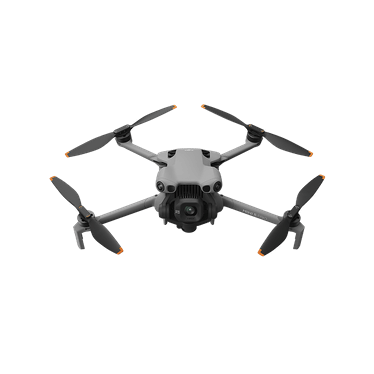
The DJI Osmo Action 6 is the most capable DJI action camera so far. According to Red Shark News it has a 1/1.1-inch square sensor, records 8K at 30 frames per second and 4K at 120, and takes 38-megapixel stills. Its party trick is an adjustable aperture from f/2.0 to f/4.0, which gives it more flexibility than fixed-aperture rivals when the light changes. TechRadar names it the best choice for underwater video. The square sensor lets you shoot in landscape or vertical without cropping heavily, which is handy for social platforms. It weighs 149 grams, is waterproof to 20 metres without a case, carries 64 GB of built-in storage, and DJI claims about four hours of battery life. Two OLED touchscreens make framing selfies and checking settings easy, and add-on lenses extend the field of view. Red Shark News also lists the weaknesses: occasional image artefacts, a smaller accessory ecosystem than GoPro's, and a mechanical iris that has not yet proven itself in long-term field use. Engadget's guide was last updated before this model arrived, which is why it still recommends older DJI cameras. It sits just behind the HERO13 Black here only because the HERO13 has a longer track record and the accessory range most owners want. If you shoot in changing light, or underwater, or want the freedom to reframe for both horizontal and vertical clips, the Osmo Action 6 may well be the better camera for you.

3

Insta360 Ace Pro 2

Best for Creators
8.9/10

Our take

High-resolution 8K with a flip screen, but bulkier and with no log profile.

Pros

  • Leica-designed lens and strong low-light chips
  • Large flip-up screen for self-framing
  • 8K video and 50-megapixel photos
  • Polished editing app

Cons

  • Bulky for an action camera
  • No native log profile
  • No built-in storage

Full review

The Insta360 Ace Pro 2 is the pick for people who care about resolution and a polished creator workflow. TechRadar calls it the best premium 8K action camera and an excellent all-rounder, and Engadget names it the best action camera for content creators. Red Shark News gives the specifics: a 1/1.3-inch sensor, a Leica-designed lens, 8K at 30 frames per second, 4K at 120, 50-megapixel stills, and dual AI chips that help in low light. The large flip-up touchscreen is the feature creators notice first, because it makes vlogging and self-framing easy in a way that fixed screens cannot match. Insta360's own page adds a 157-degree lens and a dedicated imaging chip, and the editing app is a big reason people choose the brand. There are trade-offs. At 177 grams it is bulkier and heavier than the DJI models, and Engadget points this out. Red Shark News adds that it has no native log profile, is waterproof to only 12 metres without an extra case, has no built-in storage so you need a fast card, and can run warm during 8K recording. Battery life is claimed at about three hours. The button leads to the standard camera listing; Insta360 sells many bundles, so check which batteries and mounts come in the box. It is a very good fit for travel filmmakers and vloggers who value image quality and flip-screen framing over minimum weight, and who will edit footage afterwards rather than share straight from the camera.

4

GoPro Mission 1 Pro

Best Slow Motion
8.8/10

Our take

Cinema-grade slow motion and log footage, with an uncertain brand future.

Pros

  • Extreme slow motion up to 960 fps
  • 10-bit GP-Log 2 recording
  • Fast charging and USB microphone support
  • Low light on par with the Ace Pro 2

Cons

  • No front touchscreen
  • Uncertain future for GoPro
  • Heavier and more demanding to edit

Full review

The GoPro Mission 1 Pro is the unusual entry on this list. Red Shark News describes it as the GoPro many people were waiting for: a 50-megapixel 1-inch sensor, 8K at 60 frames per second, 4K at 240 and short bursts of 1080p at 960, all recorded in 10-bit GP-Log 2. It weighs 208 grams, is waterproof to 20 metres without housing, and the site quotes about five hours at 1080p and 30 frames per second, with fast charging that reaches 80 per cent in around 20 minutes. That specification suits creators who want a small second camera for slow motion, controlled grading and monitoring. Red Shark News highlights the USB microphone support, a 4K60 monitoring output and timecode sync, and says its low-light performance is on a par with the Insta360 Ace Pro 2. The reasons it ranks fourth rather than higher are practical. Red Shark News notes that dynamic range occasionally trails the Ace Pro 2 until firmware is tuned, that it has no front touchscreen, and that GoPro's future is uncertain because the company is reported to be up for sale. It is also less of an everyday camera: it is heavier and more cinema-minded than the HERO13 Black, and it is the most demanding to edit. Choose it if you plan to grade your footage, want extreme slow motion, or already work with a cinema-style workflow. If you want to mount a camera and forget about it, one of the simpler models above will be easier to live with.

5

DJI Osmo Action 5 Pro

Great Low Light
8.6/10

Our take

Strong low light and long battery life, but 4K tops out and colours can look punchy.

Pros

  • Better low-light results than the HERO13
  • Longest battery life in its category
  • Built-in storage
  • Works with the DJI Mic 2

Cons

  • 4K maximum resolution
  • Slightly weaker stabilization
  • Colours can look oversaturated

Full review

The DJI Osmo Action 5 Pro is the previous generation of DJI's flagship, and it is still easy to recommend. Engadget names it the runner-up for most people and credits it with better low-light performance than the GoPro HERO13 Black. Its 1/1.3-inch sensor records 4K at up to 120 frames per second, it comes with 47 GB of internal storage, and it works with the DJI Mic 2 for better sound. The standout feature is endurance. Engadget says it has the longest battery life in the category, more than two hours at 4K and 60 frames per second. The listings describe two OLED touchscreens, a weight of about 146 grams, and waterproofing to 20 metres without a case. The drawbacks are those of a camera that has been overtaken. Engadget says the maximum resolution of 4K at 120 frames per second is lower than the 5.3K of the GoPro and the 8K of newer rivals, that stabilization is slightly weaker than the best, and that colours can look oversaturated and video a little soft. Next to the Osmo Action 6 it lacks the adjustable aperture and the larger sensor. It makes the most sense if you want strong low-light footage and long recording time without paying for the newest model, and if you do not need 8K or the most advanced iris system. Cyclists, hikers and anyone who shoots long days will appreciate the battery, and the 4K quality is more than enough for sharing online.

6

DJI Osmo Action 4

Best Budget Pick
8.2/10

Our take

Same large sensor at a lower cost, but now a generation old.

Pros

  • Same large sensor as the Action 5 Pro
  • D-LogM profile and 10-bit colour
  • Often discounted well below newer models
  • Packs with extra batteries

Cons

  • A generation old
  • Shorter battery life than newer DJI models

Full review

The DJI Osmo Action 4 earns its place as the budget pick. Engadget names it the best value action camera, because it uses the same 1/1.3-inch sensor as the Action 5 Pro and offers the D-LogM profile, yet it is often discounted to around half the price of the newer model. Listings describe 4K recording at up to 120 frames per second, 10-bit colour, a wide field of view and waterproofing to about 18 metres without a case. For most people the picture quality is the point. The large sensor gives it clean footage and decent performance in low light compared with the much cheaper cameras that fill this segment, and it records smooth, stabilized video that is good enough for travel clips, cycling and family holidays. DJI also sells it in packs with extra batteries, which is a sensible choice if you plan long outings. The compromise is age. Engadget says it is now a generation old, and the listings quote about 160 minutes of runtime for the base model against 240 for the Action 5 Pro. It lacks the newer cameras' resolution, battery endurance and screen refinements, and DJI has since moved on to later models, so accessories and software updates may focus elsewhere. Choose it if you want a strong all-round action camera without spending flagship money. If you are shooting something where every last bit of image quality matters, or you need long runtimes, the newer DJI models above are worth the extra.

Frequently asked questions

How do I choose between an action camera and a 360 camera?

An action camera records a single wide view and is rugged, simple and quick to mount, so it suits sports, travel and everyday clips. A 360 camera captures everything around you and lets you pick the framing afterwards, which is creative but needs more editing time. Most buyers who want reliable, ready-to-share footage are better served by a standard action camera.

Does sensor size really matter for an action camera?

Yes, mostly in low light. A larger sensor gathers more light, so footage at dusk, indoors or under trees shows less noise. Resolution and frame rate matter too, but a bigger sensor with excellent stabilization usually gives a better result than a smaller sensor with more pixels. In bright daylight the difference between models is smaller.

Do I need a waterproof case for snorkelling or diving?

Most current action cameras are waterproof without a case to roughly 10 to 20 metres, which covers snorkelling and shallow swimming. For deeper diving, or if you want extra protection against knocks and sand, a dedicated housing is the safe choice. Always check the seals are clean and rinse the camera in fresh water after use.

Is 8K video worth it on an action camera?

For most people, no. 4K with strong stabilization looks excellent on phones, televisions and social platforms and produces much smaller files. 8K is mainly useful if you plan to crop into the frame or reframe later. It also drains the battery faster, heats the camera and needs a fast memory card, so use it only when you need it.

How long does the battery of an action camera last?

It depends heavily on resolution, frame rate and temperature. Manufacturers quote runtimes in the range of one to several hours, but high resolutions and cold weather reduce that noticeably. For a full day of filming, carry at least one spare battery and consider models with fast charging so you can top up between activities.

Buying guide

Action cameras have split into clear camps. GoPro still defines the classic rugged, mount-anywhere formula, DJI has pushed sensor size and battery life, and Insta360 leans on resolution and clever software. Choosing between them is less about a single winner and more about what you film: surf and snorkelling, mountain biking, travel clips, or footage you plan to grade like cinema material. This ranking compares the analyses published by Engadget, TechRadar and Red Shark News, plus the manufacturers' own specification pages. We look first at stabilization, because shaky footage ruins any adventure clip, then at image quality in poor light, battery endurance, waterproofing without extra housings, and how easy the camera is to live with: screens, menus, editing apps and mounts. Sensor size matters more than headline resolution. The larger sensors in the DJI Osmo Action 6 and the GoPro Mission 1 Pro gather more light at dusk or inside a forest, while 8K recording mostly helps people who crop in or reframe later. For everyday sharing, a camera with excellent stabilization at 4K will often look better than one with more pixels and more wobble. Battery claims also deserve caution: the figures quoted by manufacturers depend on resolution, frame rate and temperature, so cold-weather shooters should carry spares. Newer does not automatically mean better for you. The GoPro HERO13 Black remains the reference for stabilization and for its lens mods and accessory ecosystem, even though it is no longer the newest GoPro. The DJI Osmo Action 4 and Action 5 Pro are older, yet they keep the same style of large sensor and often make more sense for a modest budget. At the other end, the GoPro Mission 1 Pro targets people who want log footage and extreme slow motion, and Red Shark News notes that GoPro's uncertain corporate future is a reason for some caution. A few practical points apply to all six cameras. Check the field of view before buying, because wide lenses distort straight lines near the edges. Use a fast, high-endurance memory card, especially for 8K. Rinse the camera with fresh water after salt water. Expect most models to run warm during long high-resolution recording. Finally, remember that waterproof ratings without a case are limited to roughly 10 to 20 metres, so serious diving needs a dedicated housing. We also looked for a newer DJI model, since a successor to the Osmo Action 6 has been rumoured for late 2026. Nothing official has been announced in the sources we could read, so the Osmo Action 6 stands as DJI's current flagship here. If you can wait, keep an eye on launches before buying.

Ranking methodology

Our score out of 10 weighs what the independent analyses we consulted conclude about image quality, stabilization, build and waterproofing, battery life and ease of use, plus how well each camera is supported by accessories and apps. Stabilization and low-light quality carried the most weight in this category, because they decide whether adventure footage is usable. For older models we also considered how much they offer compared with their newer siblings. It is a rating, not an average of the sources.

Sources consulted Based on Engadget, Red Shark News, TechRadar, and 2 more

The reviews and data this ranking draws on. We do not run our own lab tests: we compare the findings of these publications.

Tags

More rankings you may like