Electronics & Tech

6 Best Noise Cancelling Headphones of 2026

Six over-ear noise cancelling headphones compared for 2026: Sony, Bose, Apple, Sennheiser and Soundcore, ranked by what independent reviews say.

By RankingDeals Updated: How we rank

As an Amazon Associate I earn from qualifying purchases. Advertising & Monetization Disclosure.

Quick answer

The best choice for most people is the Sony WH-1000XM6 (9.4/10). Class-leading noise cancelling, natural sound and a comfortable, foldable design.

Check price on Amazon

Also worth a look: Bose QuietComfort Ultra Headphones (2nd Gen) (Punchy Sound Pick); Apple AirPods Max 2 (Best for iPhone Users); Sony WH-1000XM5 (Best Value Flagship).

Top picks at a glance

1

Sony WH-1000XM6

Best Overall
9.4/10

Our take

Class-leading noise cancelling, natural sound and a comfortable, foldable design.

Pros

  • Noise cancelling rated among the best by several reviews
  • Natural, subtle cancelling effect
  • Detailed, balanced sound with a useful equaliser
  • Comfortable fit that folds into a compact case

Cons

  • Average battery life for a flagship
  • No wired listening over USB-C and no water resistance

Full review

The Sony WH-1000XM6 is the pair we recommend to most people who want the best noise cancelling in an over-ear design. The reviews we read agree on the main point: its cancelling is among the very best on the market. TechRadar found it slightly better than the Bose QuietComfort Ultra, and RTINGS names it its top noise cancelling headphone. What Hi-Fi describes the effect as natural and subtle, which suits people who dislike the heavy, pressurised feel that some rivals produce. Comfort is another strength. A wider headband and a weight of 254 g make it easy to wear for long sessions, and, unlike the previous generation, it folds again into a smaller magnetic case. Sound is balanced and detailed, with a new 30 mm driver, support for LDAC and a 10-band equaliser in the app. What Hi-Fi gives it the win over the Bose on all-round sound quality. There are compromises. Battery life is rated at 30 hours with cancelling on, which is average for this class and well below the Sennheiser Momentum 4. It has no water resistance, no wired listening over USB-C, and some reviewers find the design bulky. Xataka also notes that multipoint switching could be better. If you want one pair that handles flights, commutes and calls without a big weakness, this is the safest choice. If your priority is a lower price, the previous XM5 or a cheaper rival may serve you better.
2

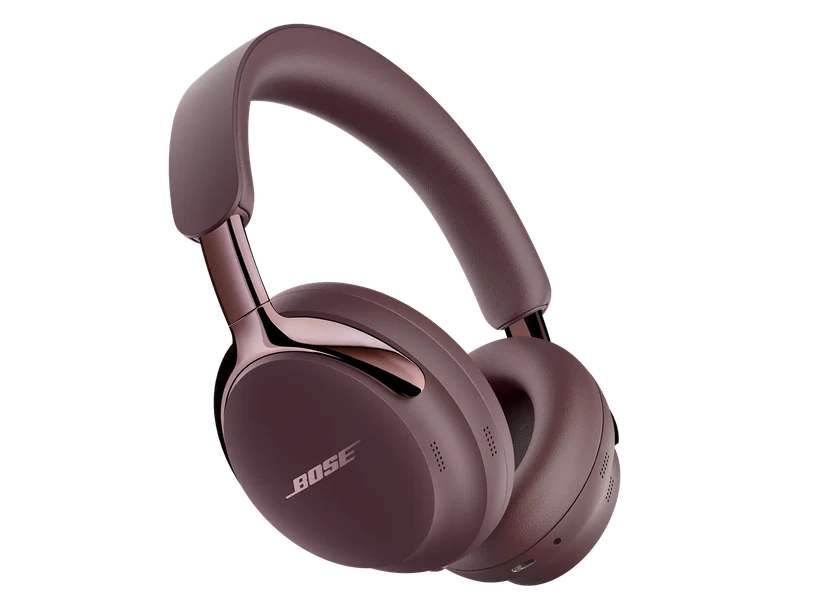
Bose QuietComfort Ultra Headphones (2nd Gen)

Punchy Sound Pick
9.3/10

Our take

Excellent cancelling with a stronger effect and punchy sound, but it costs a lot.

Pros

  • Excellent, clearly noticeable noise cancelling
  • Lively, punchy sound
  • Compact foldable design with Cinema and immersive audio modes
  • Wide choice of finishes

Cons

  • Hard to justify against cheaper rivals
  • Cancelling effect is more noticeable, which some find tiring

Full review

The Bose QuietComfort Ultra (2nd Gen) is the closest rival to the Sony and the better choice for some listeners. What Hi-Fi calls its cancelling excellent, but with a more noticeable effect than Sony's. If you want the world to disappear, that is a plus; if you dislike the sense of pressure, it can be a drawback. T3 argued that the cancelling is a small step back compared with the original Ultra, so the gap to the first generation is not a clear upgrade on that front. Where Bose does well is comfort and character. The design is compact, foldable and about 250 g, and What Hi-Fi describes the sound as punchy and enjoyable, with better clarity than the model it replaces. It uses Bluetooth 5.4 and supports aptX Adaptive, SBC and AAC, and it adds a Cinema mode for watching video and an immersive audio mode. The headphones can also be used for two-way calls over USB-C. Battery life is the same 30 hours as the Sony. The main criticisms in the reviews we read concern value: several outlets point out that it costs a lot for what it offers over cheaper rivals, and What Hi-Fi gives the overall win to the Sony on sound quality. Choose it if you prefer a livelier sound, a stronger cancelling effect and a wide range of colours, and if you are comfortable paying for a flagship. Otherwise, the Sony is a safer all-round pick.

3

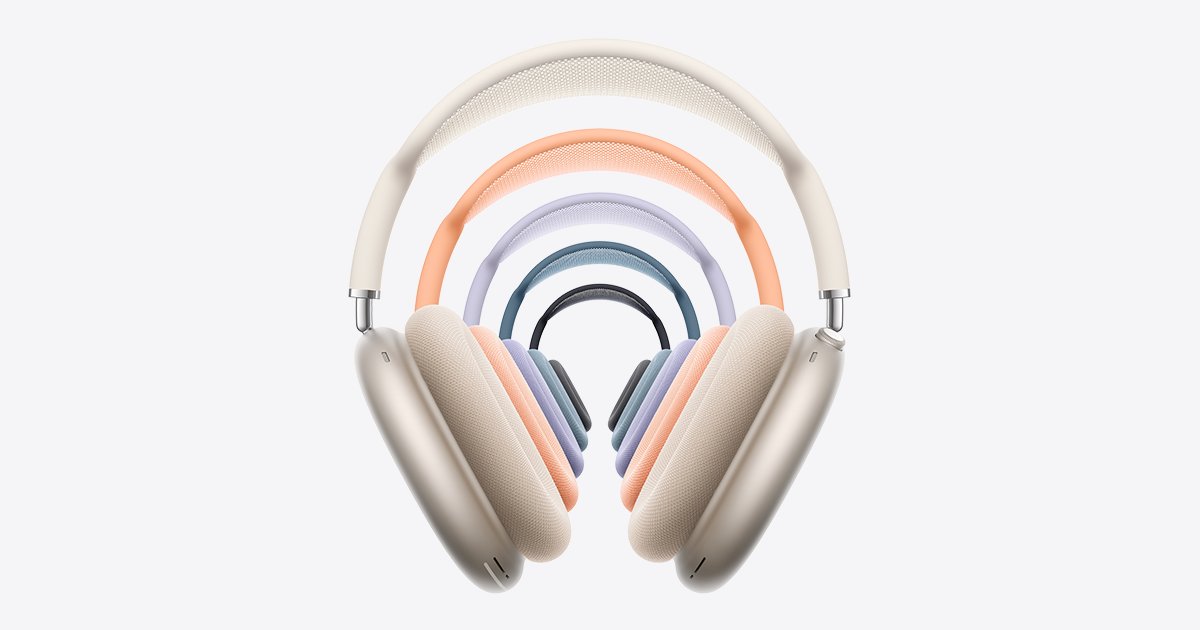
Apple AirPods Max 2

Best for iPhone Users
9.0/10

Our take

Strong cancelling and seamless Apple features, but best only with an iPhone.

Pros

  • Seamless pairing and switching across Apple devices
  • Personalised spatial audio and adaptive audio
  • Premium materials
  • Charges over USB-C

Cons

  • Shortest battery life in this list
  • Far fewer benefits if you do not use Apple devices

Full review

The Apple AirPods Max 2 are built for people who live in Apple's ecosystem. SoundGuys lists them as its choice for the best noise cancelling in this category, and they arrive with the features iPhone owners tend to value most: effortless pairing, automatic switching between Apple devices, adaptive audio and personalised spatial audio. The manufacturer listing also mentions real-time translation, which can be useful when you travel. They charge over USB-C and offer up to 20 hours of listening with cancelling and spatial audio on, which is the shortest battery life among the larger models in this list. Bluetooth 5.3 is listed. The design is premium, with a knitted mesh canopy and metal ear cups, and the headband and cushions are built to spread weight, although the headphones are not the lightest in this category and a few other manufacturers fold more neatly. This is the pair for you if you use an iPhone, an iPad and a Mac and want everything to work without setting anything up. If you use Android, you lose many of the extra features and some of the codecs, so the Sony or the Bose make more sense. We rank it third because the reviews we read give it a strong cancelling score but fewer extras to people outside the Apple ecosystem, and because battery life and portability trail the leaders.

4

Sony WH-1000XM5

Best Value Flagship
8.9/10

Our take

Still very good cancelling at a lower price than its successor, but it does not fold.

Pros

  • Very good cancelling at a lower cost than the XM6
  • Auto NC Optimizer adapts to your surroundings
  • Fast charging and multipoint connection

Cons

  • Does not fold, so the case is bulkier
  • Cancelling and microphones are a step behind the XM6

Full review

The Sony WH-1000XM5 is the previous generation of Sony's flagship, and for many buyers it remains the smartest way to get high-end noise cancelling at a lower cost. TechRadar notes that it is now clearly cheaper than the XM6 was when the new model launched, while the manufacturer describes the XM6 as its successor with a better cancelling rating, so you are accepting a small step down in performance. Specification-wise it is still strong: two processors working with eight microphones, an Auto NC Optimizer that adjusts the cancelling to your surroundings, and up to 30 hours of battery life with cancelling on. A three-minute fast charge gives about three hours of listening, and it supports multipoint connection. Users and reviewers consistently praise the cancelling and the comfort. The main drawback is the design. The 2022 version does not fold, so the case is larger and less convenient for travel than the XM6 or the Bose. Reviewers also point out that the XM6 improved on several details, such as the microphones and the sound. Pick the XM5 if you want most of the XM6 experience for noticeably less money and do not mind a bulkier case. If you can afford the extra, the newer model is better in cancelling and portability, which is why this one sits below it.

5

Sennheiser Momentum 4 Wireless

Best Battery Life
8.7/10

Our take

Outstanding 60-hour battery and refined sound, with less powerful cancelling.

Pros

  • Twice the battery life of the flagship models
  • Warm, detailed sound with aptX Adaptive
  • Foldable with four microphones for calls
  • Equaliser and presets in the app

Cons

  • Cancelling is weaker than the Sony and Bose

Full review

The Sennheiser Momentum 4 Wireless is the pair for people who hate charging. TechRadar contrasts the Sony's 30 hours with the Sennheiser's 60 hours, and that gap is the reason to choose it: you can leave it in your bag for weeks of commuting and still have power. It also folds, has four microphones for calls, and is controlled through the Smart Control app with an equaliser and sound presets. Sound is the other strength. The 42 mm driver and support for aptX Adaptive give a warm, detailed sound that audio fans enjoy, and the design looks more refined than that of many competitors. It has adaptive noise cancelling and a transparency mode, and the headphones are comfortable for long sessions. What you give up is cancelling strength. It is effective and removes most everyday noise, but in our ranking it sits behind the Sony and the Bose in this area, and it does not have the extras of the Apple model. Bluetooth version details differ between listings, so we have not stated it in the specifications. Choose the Momentum 4 if you value battery life and sound over absolute silence, and if you travel for several days at a time. If your main goal is the strongest possible cancelling for a loud environment, one of the flagship models above is a better fit.

6

Soundcore Space One Pro

Best Budget Pick
8.5/10

Our take

Long battery life and LDAC at a budget level, with weaker cancelling than the flagships.

Pros

  • Great battery life for a budget-range model
  • LDAC support and 3.5 mm wired input
  • Adaptive cancelling with equaliser in the app

Cons

  • Cancelling is not as strong as on the flagships
  • Call quality and materials are simpler

Full review

The Soundcore Space One Pro is the most affordable pair here, and it brings a lot of features for a budget-range model. It has adaptive active noise cancelling, LDAC for higher quality wireless audio, Bluetooth 5.3, a 40 mm driver and a foldable design with a 3.5 mm input for wired listening. The listings give 40 hours with cancelling on and 60 hours with it off, with a five-minute fast charge giving about eight hours of listening. For someone who wants to try noise cancelling without spending flagship money, it is a very sensible starting point. It handles constant noise such as engines and fans well enough for commuting, and the battery life beats the Sony and the Bose by a wide margin. The app provides an equaliser and control options. The trade-offs are the ones you would expect. Cancelling is less strong than in the flagships, especially for voices and sudden sounds, and the materials and call quality are simpler. The listings are also inconsistent about the number of microphones, so we do not state it. Choose it if you are on a tight budget or want a second pair for travel and do not need top-tier performance. If you can stretch your budget, the Sony WH-1000XM5 offers a clear step up in cancelling and comfort.

Frequently asked questions

Are over-ear headphones better than earbuds for noise cancelling?

In general, over-ear models block more noise because the ear cups seal around your ears and have room for larger drivers and more microphones. Earbuds are far more pocketable and can still be very good, but low-frequency noise such as engines is usually easier for a big pair to handle. If you mostly travel light, earbuds make sense; for flights and offices, over-ears usually win.

Does noise cancelling damage your hearing or cause pressure?

Active cancelling does not harm your hearing; it usually lets you listen at a lower volume. Some people notice a sensation of pressure or mild discomfort with strong cancelling. Most models let you lower the intensity or switch to a transparency mode. If you feel dizzy or have pain, stop using them and consult a doctor.

How much battery life do I really need?

Around 30 hours with cancelling on covers a week of commuting or several long flights between charges, and fast charging gives a few hours from a short top-up. If you often travel for days without a power source, or forget to charge, a model with 40 to 60 hours gives more margin. Battery capacity also drops slowly over the years.

What matters when buying for an iPhone or an Android phone?

Both work with any headphones over Bluetooth. iPhone users get easy pairing, automatic switching and spatial audio with Apple models. Android users get access to higher quality codecs such as LDAC or aptX Adaptive on models that support them. Multipoint is helpful on either system if you switch between phone and laptop often.

Buying guide

Noise cancelling headphones are one of the few gadgets that change how a day feels. On a train, in an open-plan office or on a long flight, a good pair removes the constant low rumble that wears you down, and lets you listen at lower volume. This guide compares six over-ear models that are currently sold in Spain, from flagship designs to a far more affordable option, based on what independent reviewers have concluded rather than on spec sheets alone. Start with the noise cancelling itself. The strongest pairs in the reviews we read, the Sony WH-1000XM6 and the Bose QuietComfort Ultra (2nd Gen), are close to each other. Sony's effect is described as natural and subtle, while Bose's is more noticeable. Neither is better for everybody: some people like the feeling of near silence, others find strong cancellation fatiguing. Cheaper models still remove most engine and air-conditioning noise, but they usually let more voices through. Comfort matters just as much, because you will wear these for hours. Weight sits around 250 g on the two flagships, and clamp force, pad depth and headband width change the experience more than the weight alone. Foldable designs with a hard case are easier to carry; some models do not fold, so check this if you travel with a small bag. Battery life varies more than most people expect. Several flagships offer around 30 hours with cancelling on, while the Sennheiser Momentum 4 and the Soundcore Space One Pro go well beyond that. Fast charging helps, and a pair that can still be used with a cable is a safety net on long trips. Sound quality, call quality and connectivity are the last filters. Look at Bluetooth codecs if you use an Android phone and want higher quality, multipoint if you switch between a laptop and a phone, and the ecosystem if you use an iPhone. Spatial audio, transparency modes and equaliser apps are useful extras but should not drive the decision. We rate each model out of 10 and place them in the order below. For most people the Sony WH-1000XM6 is the safest pick, with a very strong Bose and a handful of alternatives for specific needs: iPhone users, those who want a cheaper flagship from the previous generation, people who value battery life above everything, and buyers with a tight budget.

Ranking methodology

The score is an out-of-10 assessment that weighs what the reviews we consulted conclude about noise cancelling performance, sound quality, build and comfort, ease of use and value for money. In this category noise cancelling and comfort carry the most weight, followed by battery life and call quality. Where a criterion is less relevant, such as a model with few extra features, we look at how well it does the basics. Ties are possible when two models are very close.

Sources consulted Based on What Hi-Fi, TechRadar, RTINGS, and 3 more

The reviews and data this ranking draws on. We do not run our own lab tests: we compare the findings of these publications.

Tags

More rankings you may like